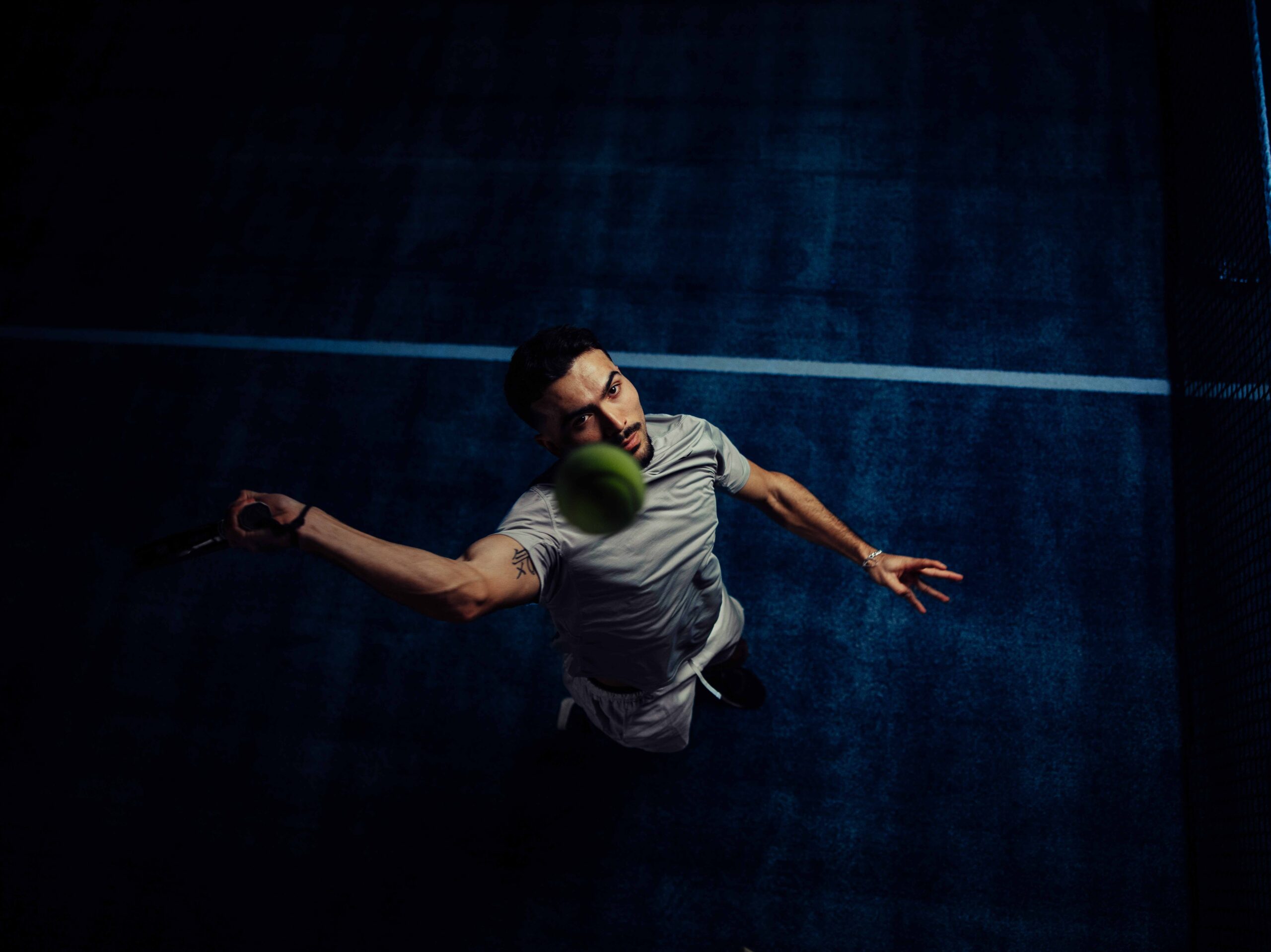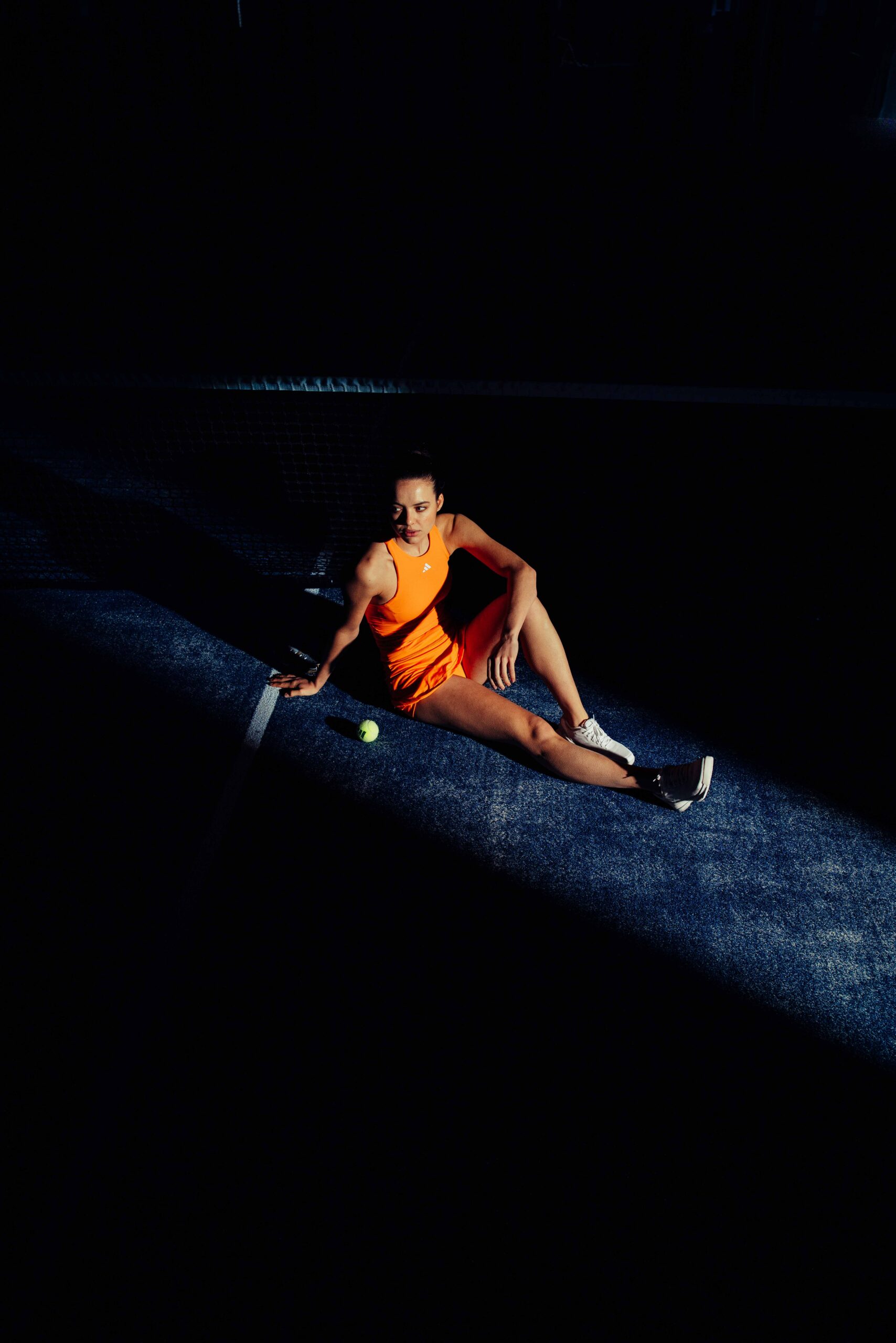
Padel is one of the easiest racket sports to start and one of the most satisfying to improve at. The first few sessions are pure fun: the court is enclosed, the rallies are long, and almost anyone can get the ball back. But there is a moment most players hit where progress stalls. You are rallying fine, yet you keep losing points to people who do not seem to hit harder than you.
The gap is rarely power. It is decisions, positioning and a handful of shots that nobody tells you about early on. Here are seven tips that close that gap.
1. Win the net, then hold it
Padel is won at the net, not at the back. The team standing at the net controls the point because they can hit down into the court, while the team at the back is stuck defending. Your whole game plan is simple: get to the net when you can, and once you are there, do not give it up cheaply.
When you are at the back, your job is to defend patiently and wait for a chance to move forward. When you are at the net, stay there.
2. Use the walls, do not fear them
The glass walls are not a hazard, they are your friend. A ball that flies past you can come off the back wall and sit up perfectly for an easy return. The instinct of every new player is to swat at the ball before it reaches the glass. Resist it.
- Let the ball pass, turn your body, and watch it come off the wall.
- Wait for it to drop into your strike zone, then play it.
- Start with back-wall balls, then practise the trickier side-wall and double-wall bounces.
Learning to play off the glass instantly makes the court feel twice as big.
3. Patience beats power
The single biggest mistake improvers make is trying to end points too soon. Padel rewards the team that keeps the ball in play and waits for the error or the opening. A smashed winner feels great, but a controlled rally that forces your opponents into a weak reply wins far more points over a match.
Aim for consistency first. Hit with control, keep the ball low over the net, and let your opponents make the mistakes.
4. Master the lob
The lob is the most underrated shot in padel and the key to flipping a point. When the opposing team is camped at the net, a deep lob over their heads pushes them back, kills their attack, and often lets you and your partner move forward to take the net yourselves.
A good lob is high and deep, landing near the back glass. Practise it deliberately. It turns defence into attack better than any other shot.
5. Talk to your partner
Padel is doubles, and the best pairs communicate constantly. A quick "mine", "yours" or "leave it" prevents the two most common disasters: both players going for the same ball, or neither going for it.
- Call every ball down the middle.
- Move as a unit, both up or both back, never split.
- Agree quick tactics between points, not in silence.
Good communication is free and it wins points immediately.
6. Learn the bandeja
Once you start facing lobs, you need an answer, and that answer is the bandeja. It is a controlled overhead, played more like a slice than a full smash, that lets you handle a lob without sacrificing your position at the net. Where a flat smash sends you scrambling, the bandeja keeps you in the attacking position and keeps the pressure on.
It is a defensive-attacking shot: think placement and net control, not raw power. It is the shot that separates net players who hold their ground from those who get pushed back.
7. Sort out your footwork
Everything above depends on getting to the ball in balance. Padel is a game of small, quick adjustments rather than long sprints.
- Stay on the balls of your feet and keep a low, ready stance.
- Use short shuffle steps to position, not big lunges.
- Recover to the middle after every shot so you are ready for the next one.
Good footwork buys you time, and time turns a rushed swat into a clean, controlled shot.
Putting it together
You do not need to fix all seven at once. Pick one per session, the lob is a great place to start, and build from there. Play smart, stay patient, and let the court do some of the work for you. That is the Onward Padel way: control before power, position before pace.