Padel and pickleball get lumped together all the time, usually by people who play neither. Both are booming, both are social, both use a solid bat rather than a strung racket, and both are easier to pick up than tennis. Beyond that, they are genuinely different sports with different courts, different physics and a different feel. Here is what actually sets them apart.
The court is the big one
This is the difference that changes everything else.
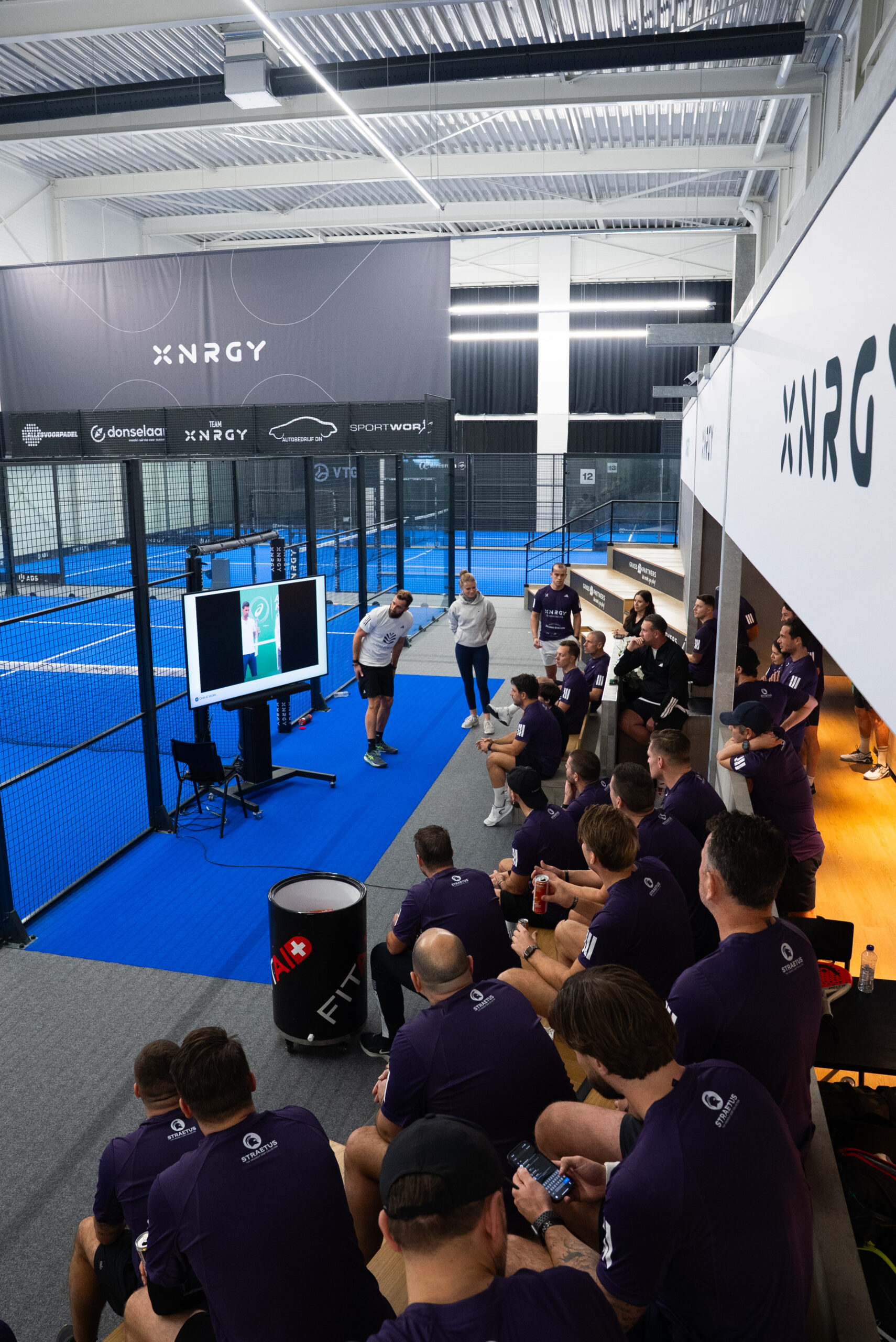
Padel is played on an enclosed court, roughly 20m by 10m, ringed by glass walls and metal mesh. The walls are in play. The ball can rebound off the glass behind and beside you, and reading those bounces is the core skill of the game. It feels a little like squash crossed with tennis, played in a transparent box.
Pickleball is played on a small open court, about 13.4m by 6.1m, the same footprint as a badminton court. There are no walls; once the ball leaves the court, the point is over. A defining feature is the "kitchen", a seven-foot non-volley zone either side of the net where you are not allowed to hit the ball out of the air. That single rule shapes the whole tactical pattern of the game.
So padel rewards anticipation and rebounds; pickleball rewards positioning and the soft, controlled "dink" exchange at the net.
Equipment and the ball
Both use a solid bat, but they are not interchangeable.
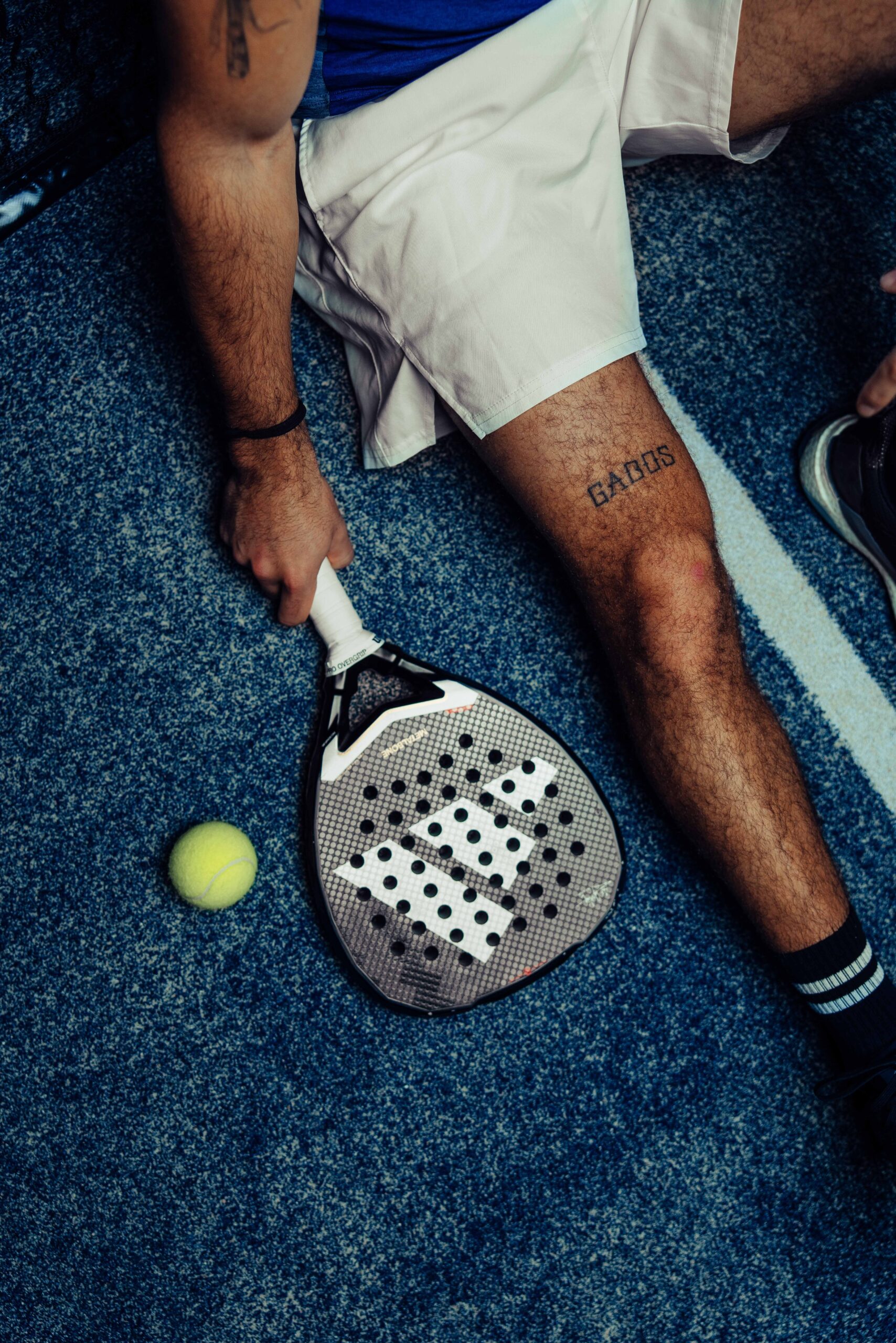
- Padel bats are stringless, perforated with holes, and have a slightly flexible foam core. They come in round, teardrop and diamond shapes that trade control for power.
- Pickleball paddles are flat, rigid and solid faced, usually larger than a padel bat and made from composite or graphite.
The balls differ just as much. Padel uses a ball almost identical to a tennis ball, just slightly less pressurised, so it bounces and travels in a familiar way. Pickleball uses a hard, lightweight perforated plastic ball, similar to a wiffle ball, which flies slower and dies quickly. That is partly why pickleball is so beginner friendly: the ball simply does not move as fast.
Scoring
Padel borrows tennis scoring almost wholesale: 15, 30, 40, games, sets, deuce and advantage. If you have ever watched tennis, you already understand a padel scoreboard.
Pickleball uses its own system. Games are usually played to 11, win by two, and traditionally you can only score on your own serve (rally scoring exists too, but side-out scoring is the classic format). The serving sequence, with its running call of three numbers, takes a few games to get your head around, but it is simple once it clicks.
Indoor, outdoor and the format
Padel is almost always doubles, two against two, and that is how the sport is built. It is played both indoors and outdoors, and the enclosed court means weather matters less to the playing surface than it does to your comfort.
Pickleball is played as both singles and doubles, indoors and outdoors. The open court and light plastic ball mean wind can genuinely affect outdoor play, which is why many serious players favour indoor courts.
The vibe and who each suits
This is where personal taste comes in.
Padel feels dynamic and theatrical. The glass walls keep rallies alive longer, there is a satisfying tactical depth to using the rebounds, and the doubles-only format makes it intensely social. It tends to appeal to people who like a bit of athleticism and the buzz of a fast, flowing rally.
Pickleball is famously accessible. The court is small, the ball is slow, the rules are quick to grasp, and you can have a genuinely competitive, fun game within your first session. It spans a huge age range and is brilliant for casual, drop-in play.
Neither is "better". Padel offers more dramatic, rebound-driven rallies in an enclosed arena; pickleball offers an instantly playable, hugely sociable game on an open court. The good news for racket-sport fans is that you do not have to choose. Many people happily play both, and the skills you build in one will quietly help your hand-eye coordination in the other.